Shoes are a normal part of daily life, which is exactly why their environmental impact is so easy to miss. Most of us buy them, wear them, replace them, and rarely think about where they go next. But shoe waste has become a serious global problem, driven by huge production volumes, mixed materials, and disposal systems that still send most old footwear to landfill or incineration.
The scale is enormous. Global footwear production reached 23.9 billion pairs in 2024, according to the World Footwear Yearbook 2025. Yet footwear still has no mature large-scale circular system once products are worn out. Fashion for Good reports that around 95% of used footwear goes to landfill or incineration.
That gap matters because shoes are not simple products. A typical pair may combine rubber, foam, polyester, plastic, adhesives, dyes, coatings, leather, and metal components. Those materials are chosen for comfort, durability, flexibility, and low cost, not easy repair or recycling. The result is a product that is highly useful in life, but hard to manage at the end of it.
This guide looks at what shoe waste actually is, where old shoes go, why footwear recycling is so difficult, and what can realistically reduce the harm.
Related guides: Sustainable Shoes: A Complete Guide and 30 Ethical Brands, Vegan Shoe Brands: The Complete Guide to Cruelty-Free Shoes, and Sustainable Fashion: Organizations, Certifications, Fabrics.
Key Takeaways
- Most shoes are difficult to recycle because they are made from many materials bonded tightly together.
- Global footwear production is extremely high, while most used shoes still end up in landfill or incineration.
- Shoe waste is not just a disposal issue; it is tied to raw materials, manufacturing, transport, and overconsumption.
- The most effective ways to reduce shoe waste are to buy fewer pairs, wear them longer, repair them, and use resale, donation, or take-back programs when possible.
- Better shoe design matters, but durability and reduced consumption still do more than green branding alone.
What Is Shoe Waste?
Shoe waste includes worn-out shoes, unsold stock, factory offcuts, damaged products, packaging, and the material scraps created during production. In most everyday discussions, though, shoe waste refers to post-consumer footwear: the shoes people throw away once they are no longer wanted, wearable, comfortable, or fashionable.
This waste stream is especially difficult to handle because shoes are made from so many different parts. A single pair can include rubber outsoles, EVA or polyurethane foam midsoles, polyester uppers, glues, dyes, eyelets, laces, synthetic reinforcements, and protective coatings. Fashion for Good notes that footwear can contain dozens of components and materials, which helps explain why recycling systems struggle to process it efficiently.
Why Shoe Waste Matters
Shoe waste is not only a landfill issue. It reflects the environmental impact of the entire footwear system, from the extraction of raw materials to manufacturing, transport, use, and disposal.
One of the most widely cited estimates comes from MIT. Researchers found that a typical pair of running shoes generates around 30 pounds of carbon dioxide emissions, or about 13.6 kilograms CO2e, across its life cycle. They also highlighted how complex a shoe really is, with many parts and hundreds of processing steps involved in its production.
That complexity has consequences. Many mainstream shoes rely heavily on fossil-fuel-derived plastics and foams. Leather has its own environmental burdens, including livestock-related emissions, land use pressures, tanning chemicals, and water pollution risks. Natural fibres can reduce some dependence on synthetics, but they are not automatically low-impact if they are grown or processed unsustainably. Shoe waste, then, is connected to a much larger pattern of industrial design and consumption.
What Happens to Shoes After We Throw Them Away?
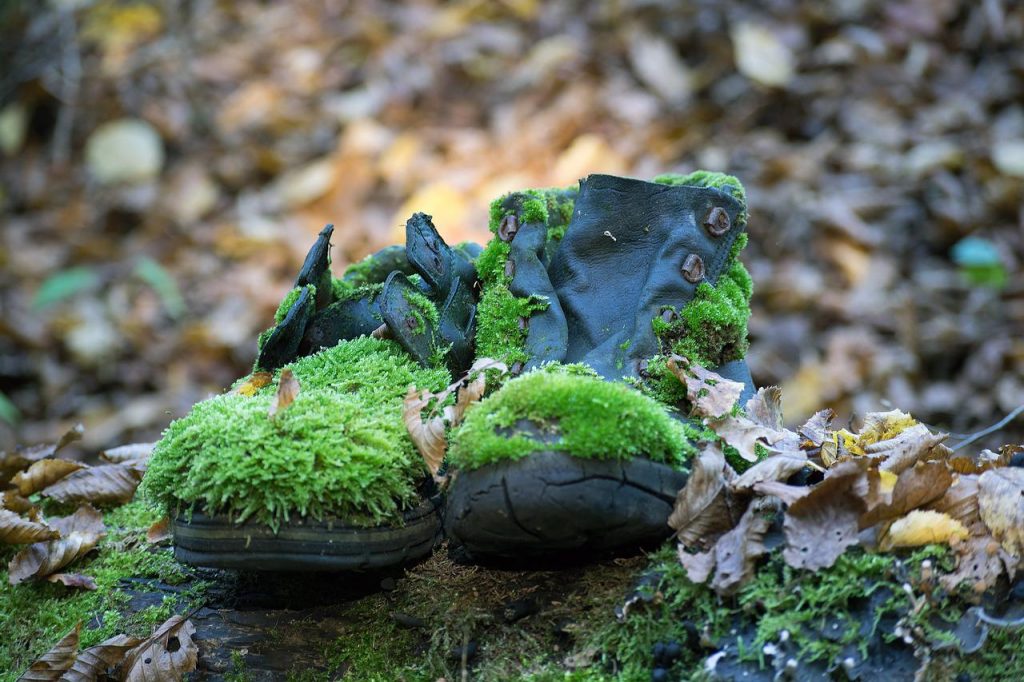
Once shoes leave our homes, they usually follow one of four paths: reuse, donation, landfill, or incineration. Reuse and donation are the better outcomes, but they depend heavily on the condition of the shoes and on whether there is a real second-hand market for them. Once shoes are badly worn, damaged, misshapen, or contaminated, their options become much more limited.
That is why so many pairs still end up in landfill or are burned. Landfill may look passive, but it is not harmless. Over time, old shoes can contribute to leachate risks, microplastic pollution, and the release of chemicals from plastics, foams, dyes, and adhesives. Incineration reduces the physical volume of waste, but it does not solve the material problem. It simply shifts the burden, often creating air pollution while destroying materials that might have retained some value.
For a broader look at landfill impacts, see our guide to waste and landfills.
Why Footwear Recycling Is So Difficult
Many people assume shoes can be recycled in the same way as cardboard, aluminium, or glass. In reality, footwear is far more complicated.
The main challenge is material mixing. Most shoes are engineered as tightly bonded systems: foam glued to rubber, textiles stitched to synthetic overlays, insoles attached to midsoles, and coatings added for water resistance or durability. Those combinations improve performance, but they make disassembly slow, expensive, and technically difficult.
Even when shoes can be shredded, the resulting material is often low-value and mixed. That means it may be useful only for lower-grade applications such as underlay, surfacing, or filler, rather than true closed-loop recycling into new shoes. This is one reason footwear circularity remains so limited despite growing public interest in recycling.
How Long Do Shoes Take to Break Down?
There is no single answer because different parts of a shoe break down at different rates. Some natural materials may degrade faster under the right conditions, but most mainstream shoes contain plastics, synthetic rubber, polyurethane, EVA foam, and adhesives that can persist for decades.
That is why claims about “biodegradable shoes” should be approached carefully. A shoe may contain some biodegradable materials while still including synthetic components that do not break down cleanly in real disposal conditions. Unless a brand is clear about materials, certifications, and end-of-life pathways, biodegradability can be more marketing language than meaningful solution.
Are Sustainable Shoes the Answer?
Sustainable shoes can be part of the answer, but they are not the whole answer on their own.
Some better-designed shoes reduce harm by using recycled inputs, plant-based materials, lower-impact dyes, or more transparent supply chains. Others focus on durability, repairability, or replaceable parts. These are meaningful improvements, especially when brands support their claims with clear evidence.
But sustainability in footwear should not be reduced to a label. A shoe marketed as eco-friendly can still be part of a waste-heavy system if it is difficult to repair, impossible to recycle, shipped long distances, and quickly discarded. The better question is not whether a shoe sounds sustainable, but how long it will last, whether it can be repaired, what it is made from, and what happens when you are done with it.
For readers comparing brands rather than waste systems, our guide to ethical and sustainable footwear brands goes deeper into buying options.
What the Footwear Industry Is Starting to Change
There are real signs of progress, even if the industry is still far from circular.
Some brands are reducing virgin material use by incorporating recycled rubber, recycled polyester, plant-based foams, agricultural residues, or bio-based alternatives into selected components. Others are experimenting with easier disassembly, mono-material designs, digital product passports, or take-back pilots. Innovation groups are also testing better ways to collect, sort, and process end-of-life footwear.
Still, the distance between pilot projects and system-wide change remains large. A few take-back schemes or material innovations will not solve the problem if overall production keeps rising and most shoes are still designed for short lifespans or difficult disposal. Prevention matters as much as innovation.

What You Can Do With Old Shoes
If your shoes are still wearable, the best option is usually to keep them in use for as long as possible. That could mean resoling them, repairing stitching, replacing insoles, re-lacing them, or simply rotating pairs so they do not wear out as quickly.
If you no longer want them but they are still in good condition, resale platforms, swap groups, op shops, and community donation channels are often better choices than throwing them away. Donation works best when the shoes are clean, structurally sound, and genuinely usable. Passing on shoes that are already at the end of their life only shifts the disposal burden elsewhere.
If the shoes are beyond wear, look for a specialist take-back or recycling program in your region. Some brand-run schemes exist, and some local collection systems accept sports shoes or mixed footwear. Nike’s Reuse-A-Shoe program is one of the best-known examples, though availability varies by location.
Before buying your next pair, it also helps to ask a few practical questions:
- Will I wear these often enough to justify buying them?
- Can they be repaired or resoled?
- Are they built for durability rather than trend churn?
- Is the brand transparent about materials and end-of-life options?
- Am I replacing a worn-out pair, or just adding another pair to the pile?
For people trying to cut waste more broadly, this connects to a wider consumption mindset. Our piece on what to stop buying as a minimalist explores that bigger picture.
Frequently Asked Questions About Shoe Waste
Can shoes be recycled?
Sometimes, but not easily. Some programs can process certain types of footwear, especially sports shoes, but most shoes are still too mixed in material composition for straightforward recycling.
Do shoes usually end up in landfill?
Very often, yes. A large share of used footwear still ends up in landfill or incineration because collection and recycling systems remain limited.
Why are shoes hard to recycle?
Because they are made from many materials bonded together tightly. Foams, rubbers, plastics, textiles, glues, and coatings are difficult to separate at scale.
Are biodegradable shoes common?
No. Some brands are experimenting with more biodegradable materials, but most mainstream shoes still contain synthetic components that persist for a long time in waste systems.
What is the most effective way to reduce shoe waste?
Buy fewer pairs, wear them longer, repair them when possible, and use genuine resale, donation, or take-back options before throwing them away.
Final Thoughts
Shoe waste is not a niche issue. It sits at the intersection of fashion, fossil fuels, industrial design, consumer culture, and waste management. The world produces tens of billions of pairs of shoes each year, yet most are still destined for landfill or incineration once their useful life ends.
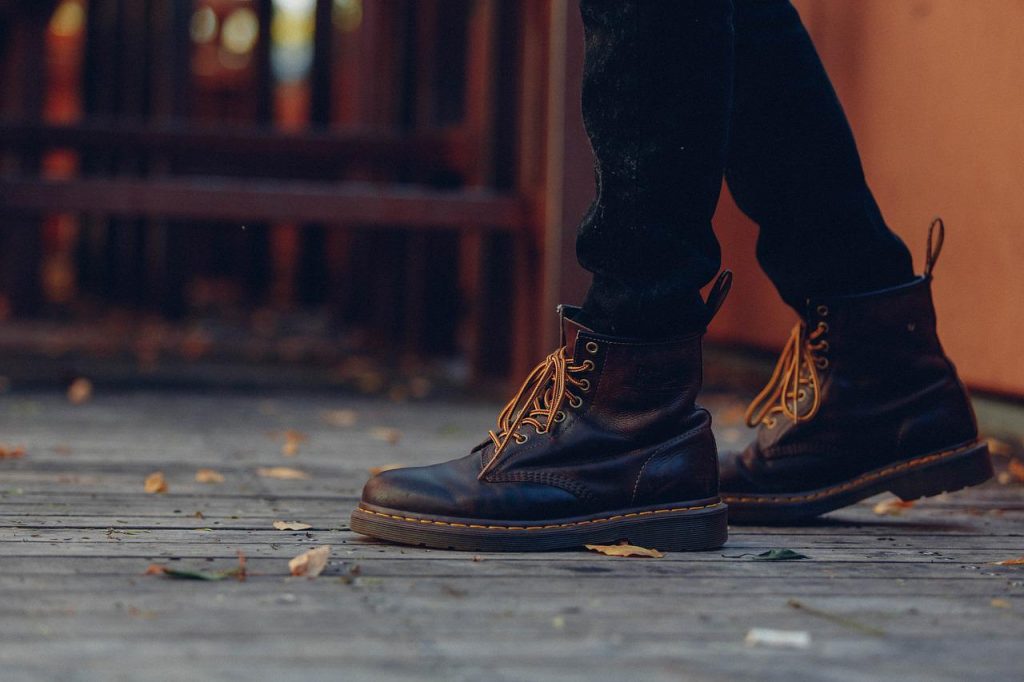
That does not mean individual choices are meaningless. It means the problem has to be approached honestly. Better materials help. Better recycling helps. Better take-back systems help. But some of the biggest gains still come from designing shoes that last longer, using them longer, repairing them where possible, and reducing unnecessary consumption in the first place.
The goal should not just be slightly less harmful footwear. It should be a system where shoes are made with fewer harmful inputs, kept in use for longer, and far less likely to become waste at all.
Sources & Further Reading
- World Footwear Yearbook 2025
- Fashion for Good: Footwear Circularity
- Fashion for Good: Footwear Circularity Innovation Platform
- MIT News: Footwear’s Carbon Footprint
- Nike Reuse-A-Shoe